
Mercedes-AMG GT Prototype Catches Fire During Testing
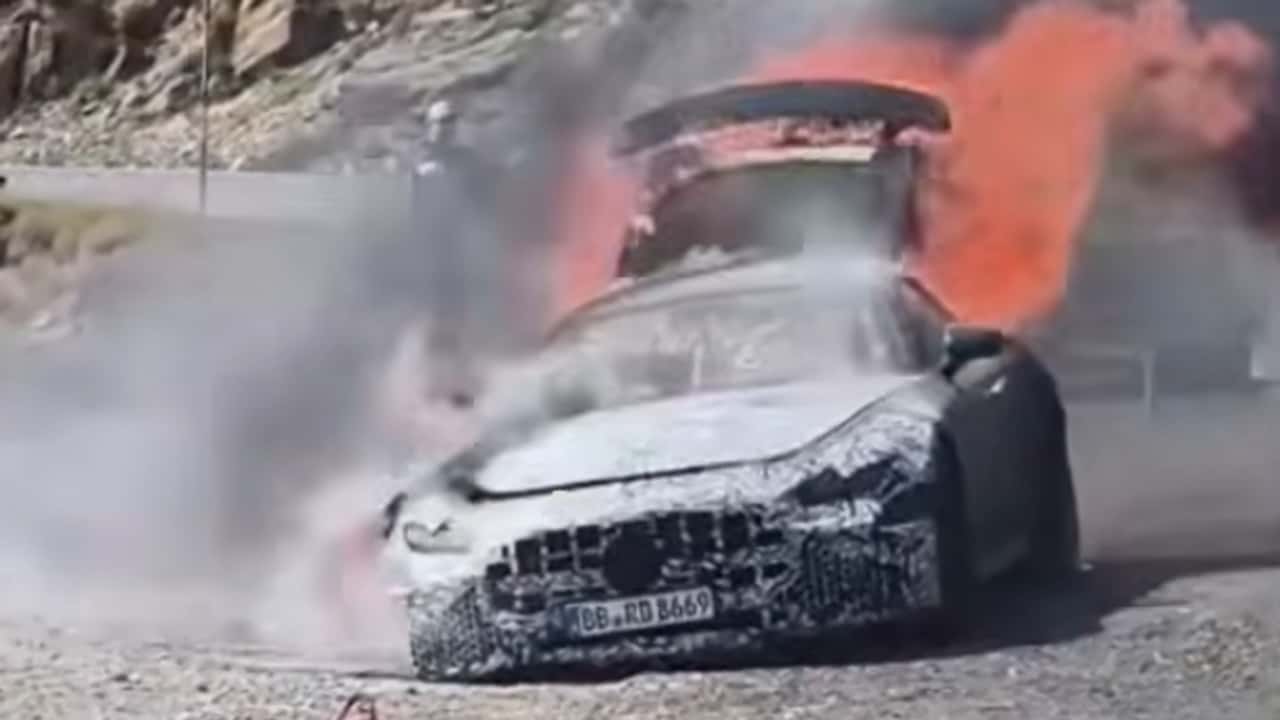
Mercedes-AMG GT Prototype Destroyed by Fire During Spanish Testing
A high-stakes development session for the upcoming facelifted Mercedes-AMG GT turned into a disaster in the Sierra Nevada mountains of Spain when a prototype vehicle caught fire and was reduced to a shell. While the loss of a test mule is a significant setback for the engineering team, the primary relief remains that no personnel were harmed during the incident.
Background / Context
Mercedes-AMG is currently in the midst of an extensive development program to refine the latest generation of its flagship AMG GT sports car. These testing phases are critical for ensuring that the vehicle meets the performance and reliability standards expected of the brand, often involving thousands of miles in extreme climate conditions and varying terrains.
Testing in the Sierra Nevada mountain range provides an ideal environment for Mercedes-AMG engineers to push the cooling, powertrain, and electronic systems to their limits. During these sessions, prototypes are often heavily camouflaged to hide design nuances and aerodynamic updates from public view until the official debut, yet they remain vulnerable to the same mechanical risks as production models.
Key Developments
- A prototype of the facelifted Mercedes-AMG GT caught fire while undergoing routine testing in the Sierra Nevada mountains of Spain.
- The vehicle was completely destroyed by the flames, though fortunately, no injuries were reported among the test drivers or support staff.
- The blaze appeared to originate from the rear section of the vehicle, leading to industry speculation regarding potential failures in the transmission, fuel system, or hybrid battery architecture.
- Mercedes-AMG engineers must now assess the cause of the fire to prevent similar failures in future testing or mass-production units.
Analysis
Observers of the incident noted that the flames were predominantly localized at the rear of the sports car. Given the mechanical layout of the Mercedes-AMG GT, this placement suggests that the fire likely started within the drivetrain components. The high ambient temperatures in Spain may have exacerbated a localized cooling issue or a potential oil leak that ignited upon contact with the hot exhaust system or high-temperature components housed in the rear.
Furthermore, if the prototype is part of a hybrid evaluation program, the fire could highlight risks associated with high-voltage battery modules. While standard combustion engines face risks from fuel lines and transmission fluid leaks, hybrid powertrains introduce complex electrical demands that require sophisticated thermal management. The investigation will be crucial for the Mercedes-AMG team to determine if this was an isolated equipment failure or a systemic design flaw that requires re-engineering.
What This Means
Losing a prototype is a common, albeit expensive, aspect of automotive development, but it serves as a stark reminder of the extreme stressors applied to vehicles during the testing cycle. For Mercedes-AMG, this setback will likely delay specific validation milestones for the facelifted model, requiring them to utilize a replacement vehicle to continue the development program.
For enthusiasts, this incident provides a rare look at the realities of vehicle development, where machines are pushed until they break. The transition to more electrified platforms in future Mercedes-AMG iterations adds layers of complexity that the company must navigate to maintain its reputation for engineering excellence.
Conclusion
While the destruction of the Mercedes-AMG GT prototype is a technical setback, the safety of the test team is the most important outcome. Mercedes-AMG will undoubtedly analyze the wreckage to improve their future production vehicles and ensure the performance of the final product.