
This Supercharged Corvette Hit 300,000 Miles On Its Original Engine
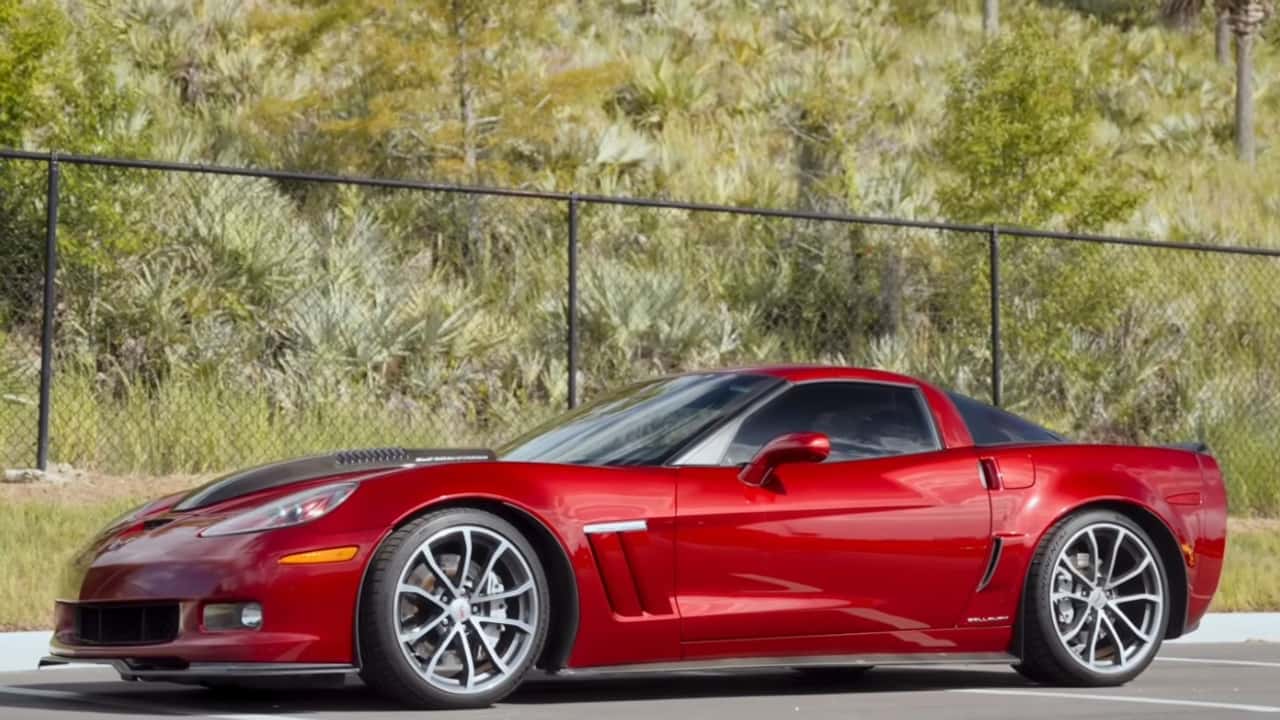
Supercharged Corvette Hits 300000 Miles on Original LS3 Engine
A 2010 Chevrolet Corvette modified by the renowned tuner Callaway has officially surpassed the 300,000-mile mark while retaining its original engine. This incredible feat of automotive endurance proves that high-performance, supercharged sports cars can achieve significant longevity when properly maintained and driven regularly.
Background / Context
When Chevrolet launched the C6 generation of the Corvette Grand Sport in 2010, it quickly became a canvas for aftermarket performance enhancements. Callaway Cars, a legendary name in the Corvette tuning world, recognized the platform's potential and immediately began developing the SC606. By bolting an Eaton supercharger onto the factory-spec LS3 V8, Callaway increased the power output to 606 horsepower, a substantial leap from the stock 430 horsepower.
Beyond the raw performance gains, these vehicles were built with an emphasis on engineering reliability. The specific unit that recently reached 300,000 miles served dual purposes in its early life; it was a primary marketing vehicle and a critical tool for research and development at Callaway. Because it spent its early years being pushed through rigorous testing cycles, the car was broken in harder than most consumer vehicles, making its current odometer reading even more impressive.
Key Developments
- The 2010 Chevrolet Corvette Grand Sport SC606 utilizes a factory LS3 V8 engine that has never been rebuilt despite the massive mileage accumulation.
- The vehicle logged extensive miles during the official Callaway research and development phase before being transitioned to long-term ownership.
- Callaway engineers integrated high-quality components designed to ensure the powertrain could handle the increased pressures of forced induction over a long service life.
- A former product manager at Callaway eventually took ownership of the car in 2020 after years of maintaining and driving it at the company's request to prevent the vehicle from sitting dormant.
Analysis
Automotive enthusiasts often assume that high-performance, forced-induction engines are inherently more fragile than their naturally aspirated counterparts. However, the survival of this SC606 engine suggests that the quality of original manufacturing, combined with consistent maintenance and regular operation, is the primary driver of engine lifespan. The fact that the bottom end of the LS3 remains original underscores the robustness of the GM engine architecture when paired with thoughtful tuning from an experienced firm like Callaway.
The history of this vehicle also highlights the role of active use in vehicle preservation. Many sports cars suffer from seal degradation and mechanical issues due to prolonged periods of storage, often referred to as 'garage queen' status. In this case, the instruction given to the custodian to 'not let the car sit' likely prevented the types of dry rot and component failure that typically plague low-mileage collector cars, demonstrating that the best way to care for a machine is to operate it as intended.
What This Means
This story serves as a benchmark for performance enthusiasts who worry about the long-term reliability of modified vehicles. It highlights that performance modifications, when performed by a reputable firm with rigorous engineering standards, do not necessarily trade off mechanical longevity. It also reinforces the importance of consistent, professional maintenance cycles in keeping high-performance engines running well past their expected design life.
Furthermore, the journey of this Callaway Corvette encourages owners to value the experience of driving their vehicles over the preservation of low odometer readings. The narrative suggests that the emotional connection to a car is bolstered by the miles it covers, and that high-mileage examples should be celebrated rather than shunned in the enthusiast community.
Conclusion
The 300,000-mile achievement of the Callaway SC606 provides tangible evidence that high-performance engineering can stand the test of time. It stands as a testament to both the inherent strength of the LS3 V8 and the commitment of owners who prioritize driving their cars over keeping them in storage.