
America's First Human Spaceflight Marks 65-Year Legacy
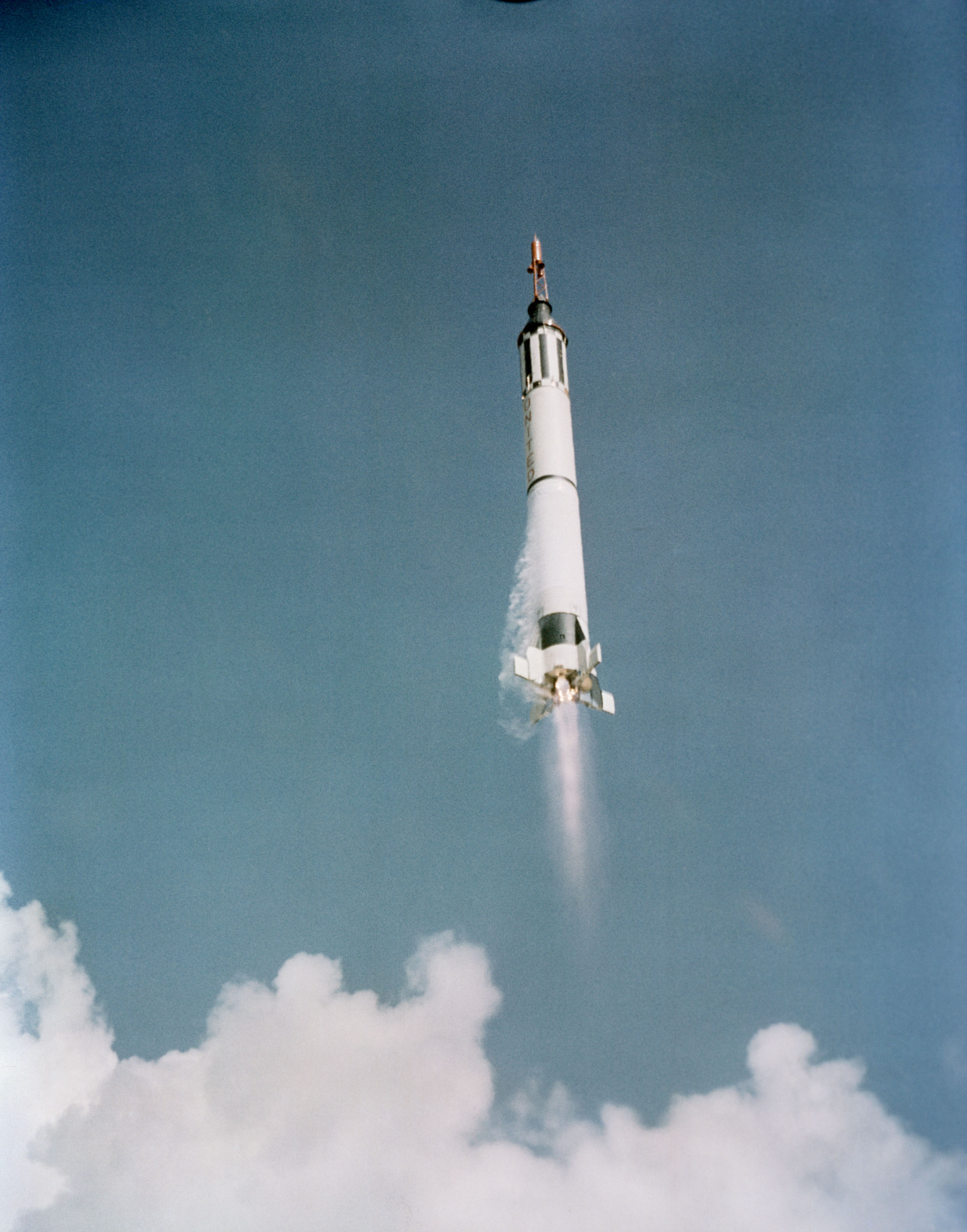
America's 65-Year Legacy in Human Spaceflight
On the 61st anniversary of America's first human spaceflight, we reflect on a journey that has spanned six decades.
Background / Context
The United States' commitment to space exploration began with the launch of the Mercury-Redstone 3 (MR-3) space vehicle. On May 5, 1961, Alan B. Shepard Jr., became the first American astronaut in space, marking a significant milestone in U.S. history.
Key Developments
- The MR-3 was powered by a Redstone rocket and carried Shepard on a suborbital flight lasting about 15 minutes.
- This mission came just days after Yuri Gagarin's historic flight for the Soviet Union, heightening the Cold War space race.
- Shepard's success paved the way for subsequent missions that culminated in the Apollo program and eventually the moon landing.
Analysis
The first American astronaut not only represented a technological achievement but also a significant step in national pride. His 15-minute journey set the stage for decades of innovation and collaboration within NASA.
What This Means
This event continues to inspire future generations, fueling ongoing advancements in space technology and exploration. G G ## Conclusion The legacy of Alan B. Shepard's pioneering flight endures, reminding us that every small step forward contributes significantly to the grander goal.