
US Finalizes Landmark Civilian Nuclear Agreement with Saudi Arabia
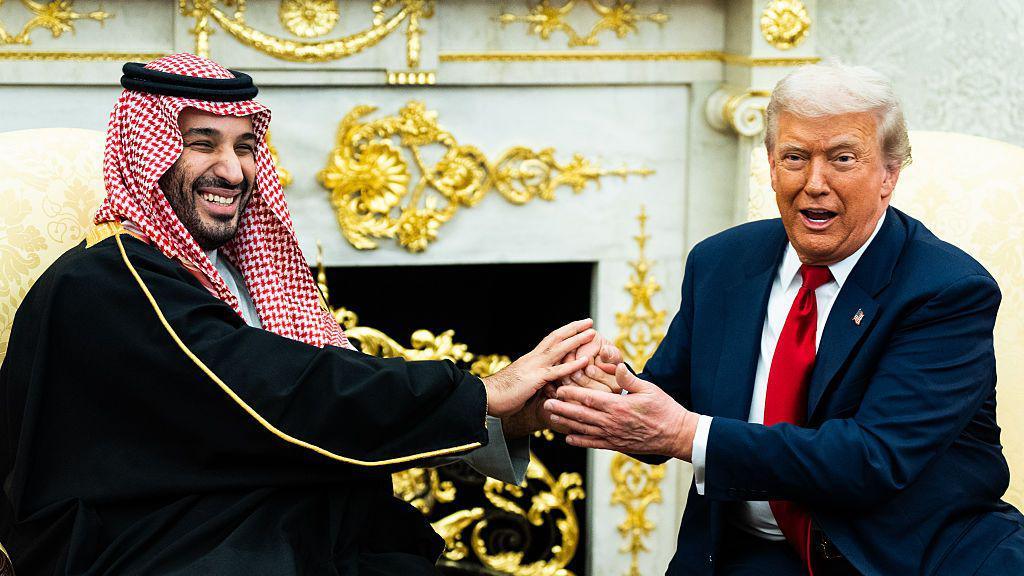
US Finalizes Landmark Civilian Nuclear Agreement with Saudi Arabia
The United States and Saudi Arabia are expected to officially announce a significant nuclear cooperation agreement, marking a major development in energy policy and regional influence. This deal aims to provide American firms with access to the Saudi nuclear program, potentially signaling a new era of cooperation between the two nations.
Background / Context
The proposed agreement arrives amidst a complex geopolitical environment, following months of regional tensions and active conflict in the Middle East. The deal specifically allows the Gulf kingdom to develop a civilian nuclear energy program, with potential involvement from US corporations in constructing facilities designed for uranium enrichment.
Historically, the United States has maintained stringent standards regarding nuclear technology transfer to prevent the proliferation of weapons. However, this new pact distinguishes itself from previous agreements, such as the 2009 deal with the United Arab Emirates, which did not permit indigenous fuel production. The current proposal could last for 30 years and is estimated to be worth tens of billions of dollars, providing a significant boost to the American industrial sector.
Key Developments
- The agreement permits Saudi Arabia to potentially enrich uranium on its own soil, a departure from the restrictions typical of past regional deals.
- The deal is projected to be worth tens of billions of dollars over a 30-year timeframe, benefiting US nuclear infrastructure companies.
- US President Donald Trump has reportedly approved the agreement without mandating that Saudi Arabia recognize Israel.
- Concerns have been raised by nuclear experts and former Israeli officials regarding the potential for the program to transition from civilian to military utility, specifically regarding the production of nuclear weapons.
Analysis
The decision to proceed with this deal without requiring diplomatic normalization between Saudi Arabia and Israel represents a significant shift in recent White House diplomatic strategy. By allowing domestic uranium enrichment, the United States is navigating a delicate balance between promoting energy independence for its allies and maintaining rigorous non-proliferation standards.
Critics argue that this agreement could trigger a nuclear arms race in the region, particularly given previous statements from Crown Prince Mohammed bin Salman who suggested in 2018 that the nation would seek nuclear capabilities if Iran successfully developed a bomb. The reliance on a joint study to monitor enrichment activities serves as a technical safeguard, yet the geopolitical risks remain a subject of intense debate among international policy analysts.
What This Means
For the Saudi government, the deal is a significant win that advances its long-term objective of diversifying its energy portfolio. For the United States, the partnership secures a foothold in the Middle Eastern energy market, though it places President Trump at odds with non-proliferation advocates and certain members of Congress who remain skeptical of regional nuclear expansion.
Conclusion
The future of the agreement now hinges on the upcoming consultation process within the US Congress. Its implementation will likely serve as a pivotal metric for regional stability and global non-proliferation efforts for decades to come.