
Trump Imposes 50% Tariff on Canadian Imports
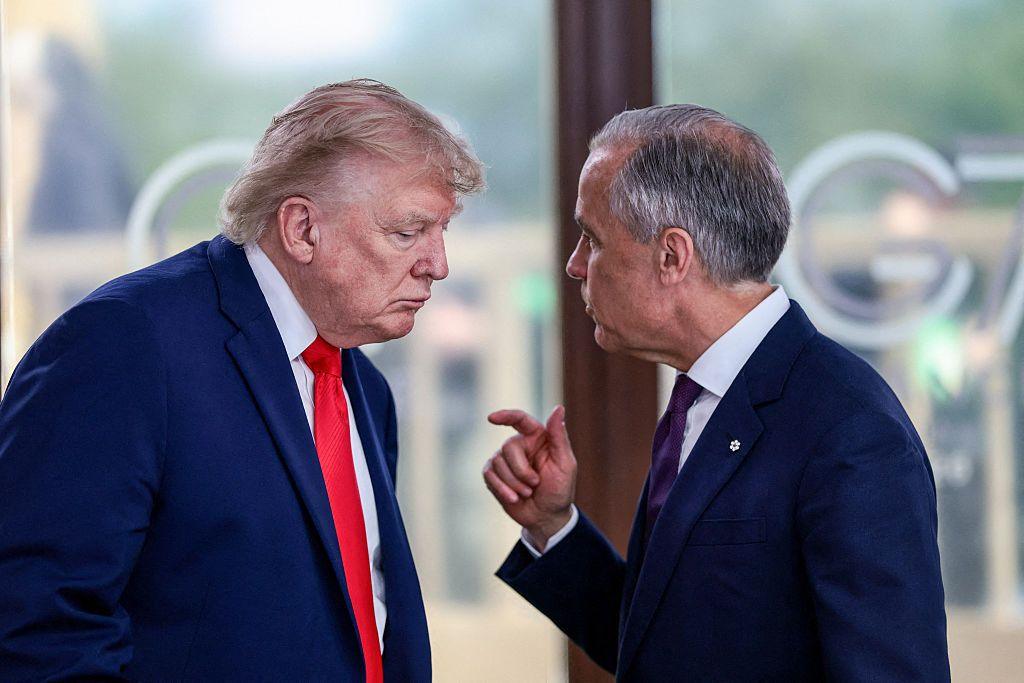
Trump Imposes 50% Tariff on Canadian Imports
US President Donald Trump has officially signed an executive order imposing a 50% tariff on a wide array of goods imported from Canada. This drastic policy shift marks a significant escalation in trade relations between the two North American neighbors, with the duties set to take effect on 19 August 2026.
Background / Context
The move follows ongoing frustrations within the White House regarding what President Trump has characterized as the "unequal treatment" of American automobiles, dairy products, and alcohol within the Canadian market. This decision is not an isolated event but rather a continuation of protectionist economic policies that have strained the long-standing trade partnership between Washington and Ottawa.
The broader economic context includes existing trade barriers already established by both nations. Washington currently maintains tariffs between 15% and 50% on Canadian steel, aluminum, and copper, as well as a 35% tax on softwood lumber and a 25% tax on non-US parts used in vehicle manufacturing. In response, Canada has historically maintained a 25% counter-tariff on selected American industrial exports, including steel, aluminum, and vehicles.
Key Developments
- President Donald Trump signed an order for a 50% tariff on a vast range of Canadian imports.
- The new duties are scheduled to officially commence on 19 August 2026.
- Targeted goods include consumer products like wine and hockey sticks, as well as industrial materials such as commercial cement.
- Certain critical sectors, specifically energy, potash, critical minerals, and fish, remain exempt from the new tax order.
Analysis
The imposition of these tariffs serves as a clear signal of the administration's aggressive "America First" trade strategy. By targeting everyday consumer goods alongside industrial inputs, the White House aims to exert maximum economic pressure on Canada to force a renegotiation of trade terms. Analysts suggest that the timing of this announcement—linked in part to recent rhetoric regarding wildfire smoke drift—indicates that trade policy is being used as a versatile tool for political leverage rather than purely economic adjustment.
However, the exclusion of energy and critical minerals highlights the complex interdependence of the two economies. While Washington is willing to disrupt supply chains for consumer goods, it remains cautious about destabilizing energy markets that provide essential resources to the United States. The resulting friction threatens to increase costs for American consumers who rely on these imported items, potentially leading to inflationary pressures in several retail sectors.
What This Means
For businesses operating across the border, this uncertainty introduces significant logistical and financial risks. Canadian manufacturers will face immediate challenges in maintaining market access, while US businesses that rely on imported Canadian components may see their operational costs rise sharply. The situation underscores the fragility of the current North American trade landscape and the ongoing shift away from integrated global supply chains toward localized protectionism.
Conclusion
The new tariffs represent a major escalation in trade tensions that will likely reshape the economic relationship between the two nations for the foreseeable future. Businesses and consumers alike must now prepare for a significantly more restricted and costly cross-border trade environment.