
The Investor Who Turned Arby's Into a $20 Billion Empire Just Bought Pizza Hut for $1.5 Billion
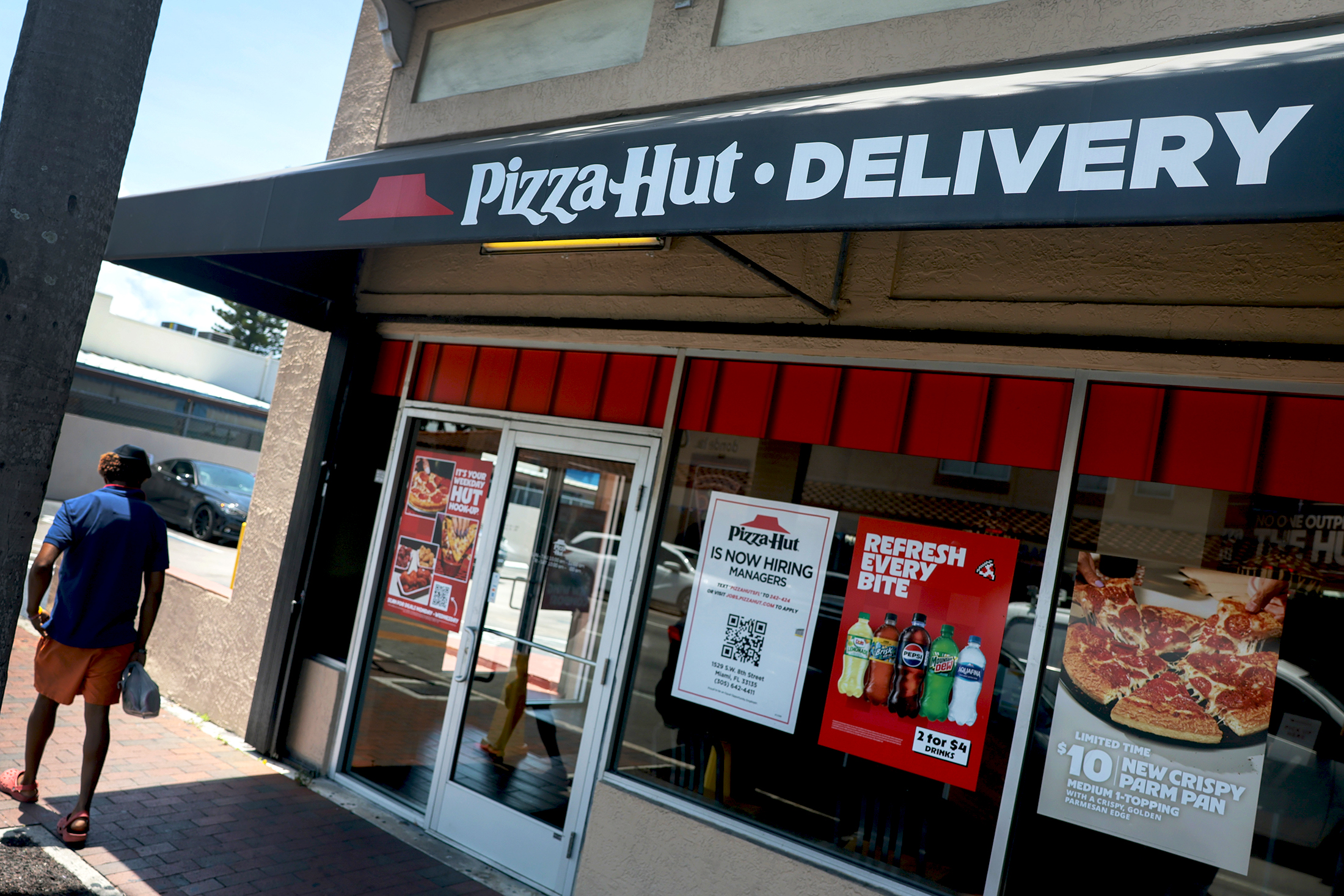
LongRange Capital Acquires Pizza Hut in Major $2.7 Billion Franchise Shakeup
In a massive move for the restaurant industry, Yum Brands has officially agreed to sell the iconic Pizza Hut franchise in a deal valued at $2.7 billion. LongRange Capital, led by investor Bob Berlin, has stepped in to acquire the U.S. and international operations, signaling a potential turnaround for the world-famous brand.
Background / Context
Pizza Hut, a staple of the global dining landscape known for its red roofs and pan pizza, has faced significant challenges over the past decade. Once boasting 8,000 domestic locations in 1999, the chain has struggled to maintain its footprint, with the count dwindling to approximately 6,300 today. The first half of 2026 alone saw an additional 250 store closures, reflecting a brand in search of a new identity and operational efficiency.
Despite these struggles, the brand maintains a massive global presence, operating 15,500 restaurants across 108 countries. With annual sales hovering around $10 billion, the underlying business remains a significant player in the fast-food space, provided it can be steered in a more profitable direction by experienced leadership.
Key Developments
- LongRange Capital will pay $1.5 billion to acquire Pizza Hut locations across the United States and international markets excluding mainland China.
- Yum China is concurrently acquiring the Pizza Hut operations within China for a separate sum of $1.2 billion.
- The total transaction value for the entire franchise network is confirmed at $2.7 billion.
- Bob Berlin, the founder of LongRange Capital, is credited with transforming Arby's from a struggling chain into the powerhouse Inspire Brands.
Analysis
The acquisition strategy centers on the proven operational expertise of Bob Berlin. Having successfully navigated the turnaround of Arby's, Berlin brings a reputation for patience and long-term value creation. By isolating the U.S. and international markets under LongRange Capital, the investor aims to replicate the success seen during the formation of Inspire Brands, which is currently eyeing a $20 billion IPO.
Market observers note that the restructuring is necessary to combat the decade-long trend of store closures. While the brand is still generating substantial annual revenue, the transition of ownership suggests that Yum Brands felt the chain required specialized private equity focus to address its domestic and international operational inefficiencies. The sale represents a clean break for Yum Brands as it focuses on its remaining portfolio while betting on the revitalization potential of its former pizza division.
What This Means
For the average customer and franchisee, this shift in ownership marks the beginning of a likely multi-year strategy to modernize operations and reverse the decline in store counts. If Berlin applies the same methodology he used at Arby's, the industry can expect a rigorous focus on debt reduction, franchise profitability, and brand revitalization, potentially securing a future for the chain started by two brothers with a $600 loan in 1958.
Conclusion
The sale of Pizza Hut marks a significant pivot point in the history of the legendary restaurant chain. Investors will be watching closely to see if LongRange Capital can effectively repeat the historic turnaround performed at Arby's.