
Iran Sends Tankers Loaded With Oil Past US Military Blockade
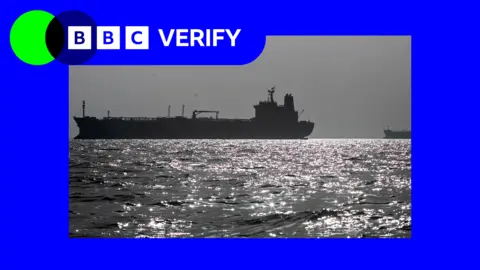
Iran Tankers Successfully Bypass US Gulf of Oman Blockade
Three Iranian-flagged oil tankers have successfully navigated past the US military blockade line in the Gulf of Oman, marking a significant development in the ongoing enforcement of international sanctions. Ship-tracking data confirms the passage of these vessels, which were carrying a combined 3.8 million barrels of crude oil, challenging the current naval restrictions imposed on Iranian ports.
Background / Context
The blockade, enforced by US naval forces, was established as part of a broader strategy to curb Iran's crude oil exports, which have faced stringent US sanctions due to concerns over nuclear development, support for militant groups, and human rights allegations. Prior to these recent events, these measures had successfully reduced Iranian crude exports to approximately 260,000 barrels per day in May, a drastic decline from the 2025 average.
Despite recent reports of a potential diplomatic breakthrough following an announcement by President Donald Trump regarding the immediate removal of the blockade, US military officials have insisted the restriction remains in effect until a formal agreement is signed in Switzerland. This discrepancy between political rhetoric and military enforcement has created a volatile environment for maritime traffic in the Gulf of Oman.
Key Developments
- Three tankers—Diona, Hero II, and Sonia I—owned by the National Iranian Tanker Company (NITC), bypassed the blockade line.
- Two of the vessels broadcasted their locations while crossing the line, while the third, Diona, enabled its tracker immediately afterward.
- Windward Maritime Intelligence analysts noted that this is the first time these specific tankers have broadcast their positions since March.
- Other vessels, such as Dan and Sinopa, have also been detected becoming active in the Strait of Malacca, suggesting a broader trend of Iranian fleet mobilization.
Analysis
Industry experts view this movement as a calculated signal from Tehran that it expects the blockade to be lifted imminently, regardless of the official US stance that the order remains until Friday. The transition from near-total inactivity to active navigation suggests that the NITC is preparing for a rapid restoration of its global export capabilities.
Furthermore, the fact that these ships are owned by a company sanctioned by the US Treasury underscores the ongoing risks associated with these shipments. The maritime intelligence group UANI has noted an increase in global activity among Iranian-linked vessels, indicating that market actors are preparing for a shift in the regulatory landscape.
What This Means
If these tankers reach their destinations, they will represent the first major Iranian oil exports in two months. This development points toward a potential easing of the supply constraints that have impacted the global oil market, contingent upon the success of the upcoming diplomatic meetings in Switzerland.
Conclusion
The success of these ships in navigating the blockade serves as a barometer for the weakening grip of US maritime enforcement in the region. As diplomatic negotiations reach a critical juncture, the movement of these tankers highlights the interplay between energy exports and geopolitical leverage.