
ai-171-engine-relight-dispute
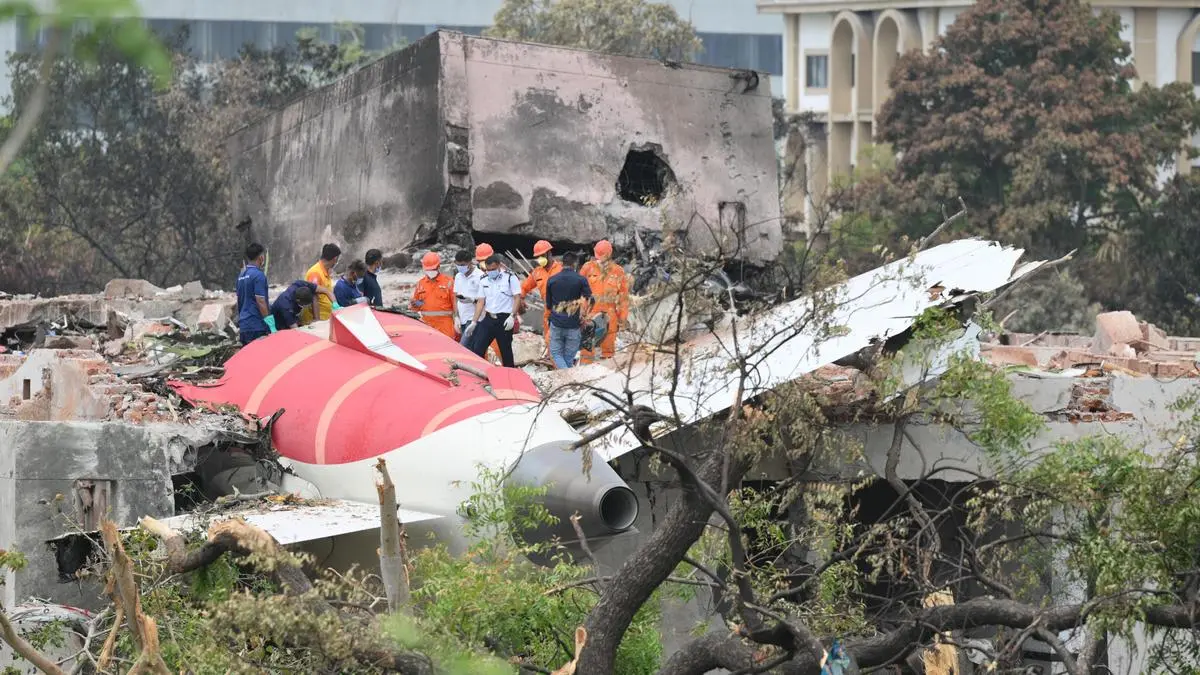
AI 171 Crash: Engineers, Pilots Question Relight Timeline, Cockpit Blame
The ongoing investigation into the AI 171 crash has thrown up significant questions about the feasibility of the reported engine relight sequence. As the debate rages on, experts are scrutinizing whether cascading electrical failures and degraded flight-control logic rather than pilot action were responsible for the ill-fated flight.
Background / Context
The AI 171, a Boeing aircraft operated by Air India, suffered an unprecedented crash in early May. Initial reports suggested that a technical failure during an emergency landing might have been to blame. However, as evidence and analysis mount, a fierce debate has emerged among engineers and pilots regarding the sequence of events leading up to the accident.
Key Developments
- Reports indicate that the engine relight sequence, crucial for emergency procedures, may not have been possible under certain conditions.
- Investigators are now focusing on electrical failures as a primary cause, suggesting that degraded flight-control logic might have played a significant role in the crash.
- Pilot actions and cockpit behavior are being re-evaluated in light of new evidence.
Analysis
The technical complexity of modern aircraft systems makes it challenging to pinpoint exactly what went wrong during such critical moments. The debate highlights the intricate nature of aviation safety protocols and the need for continuous improvement in training and equipment design.
What This Means
As investigations continue, stakeholders are concerned about the potential ripple effects on future air travel safety measures. The findings could lead to significant changes in aircraft maintenance procedures and pilot training regimens.
Conclusion
The ongoing dispute over the AI 171 crash underscores the critical importance of rigorous testing and validation processes in aviation technology.