
Women's Quota Bill Fails Lok Sabha Test, Doesn't Get Two-Thirds Majority
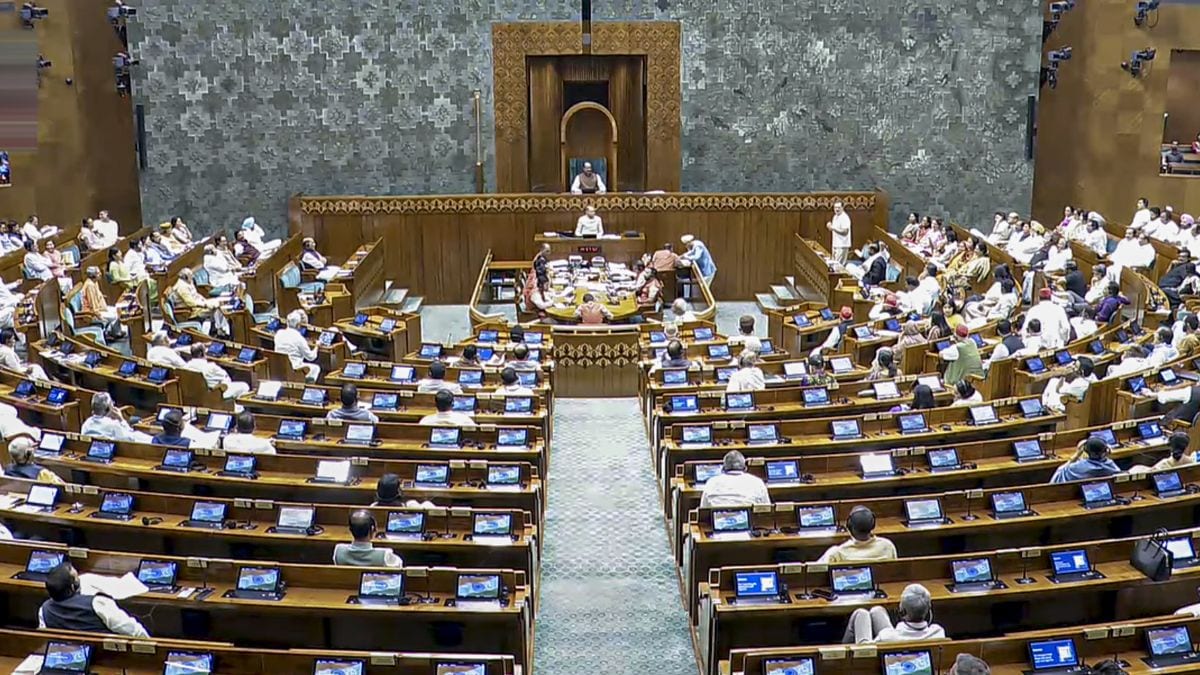
A major setback for progressive legislation as the Women's Quota Bill fails to pass the crucial two-thirds majority required in the Lok Sabha. This marks a significant moment in India’s political landscape, reflecting ongoing discussions on gender equality and representation.
Background / Context
The Women's Quota Bill aims to increase female representation in elected bodies by allocating reserved seats for women. It has been introduced multiple times but faced strong opposition from certain quarters who argue that it infringes upon traditional patriarchal structures. Despite gathering support from various stakeholders, including civil society organizations and several political parties, the bill remains contentious due to its potential impact on existing quota systems.
Key Developments
- The Lok Sabha vote witnessed a narrow loss for the Women's Quota Bill with just over half of the required two-thirds majority.
- Critics have cited concerns about diluting traditional quotas in favor of women, which they view as more effective and genuine attempts at gender balance.
- Observers highlight that while the bill falls short here, it may find renewed traction in future iterations or alternative legislative efforts aimed at promoting gender equity.
Analysis
The failure of the Women's Quota Bill underscores broader challenges within Indian politics regarding representation and empowerment. While its supporters argue for a more inclusive approach to addressing gender disparities, critics maintain that established quotas are more effective mechanisms for achieving substantive change. This debate highlights deep divisions within political circles over how best to advance women’s rights and participation in governance structures.
What This Means
For the government, this outcome means significant setbacks on a critical policy front, potentially leading to a review of existing quota systems or innovative approaches to promoting gender equality. For civil society groups, it may prompt further advocacy efforts aimed at securing more robust protections for women in public life. For Indian citizens, it reflects ongoing tensions around balancing traditional values with modern aspirations for equitable representation.
Conclusion
The Women's Quota Bill’s failure marks a significant setback but does not signal the end of discussions on gender equality. As political and social dynamics evolve, this bill may find renewed support or alternative formulations in future legislative processes, offering hope for sustained progress towards more inclusive governance frameworks.