
indias-democracy-erosion
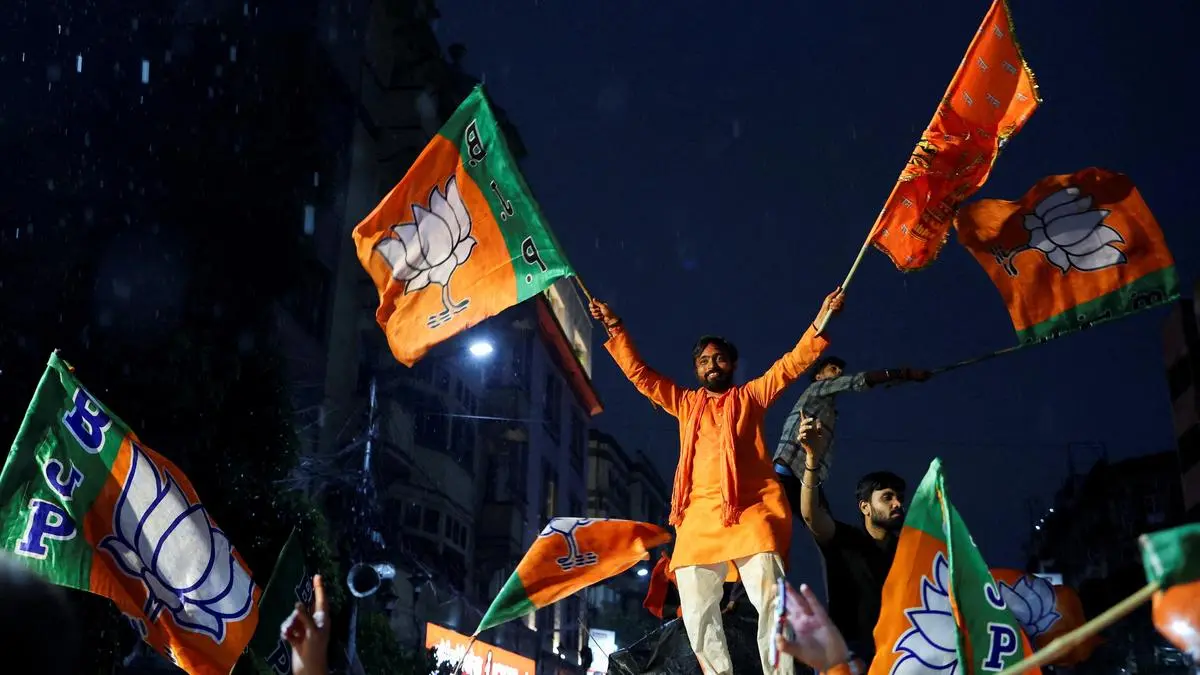
India's Democracy Erosion: A Smug Middle-Class Voter's Perspective
One by one, the Opposition's bastions have fallen. What remains is not quite democracy and not quite dictatorship, and the smug middle-class voter couldn't be happier about it.
Background / Context
India, known for its vibrant democratic traditions, has seen a gradual erosion of opposition support. This shift is attributed to various factors including economic policies, electoral strategies, and social dynamics.
Key Developments
- Opposition parties have lost significant ground in recent elections.
- Economic policies favored by the ruling party have gained broad acceptance among middle-class voters.
- Political alliances and negotiations have altered the landscape of Indian politics.
- Voter apathy towards opposition candidates has increased significantly.
Analysis
The current state of affairs reflects a complex interplay between economic stability and political legitimacy. The middle class, often seen as the backbone of democracy, seems content with the status quo, questioning the very essence of India's democratic institutions.
What This Means
This trend could lead to a further consolidation of power in favor of the ruling party, potentially undermining democratic norms and values.
Conclusion
While the current political situation appears stable, it raises concerns about the long-term health of Indian democracy.