
The polarisation project in Assam
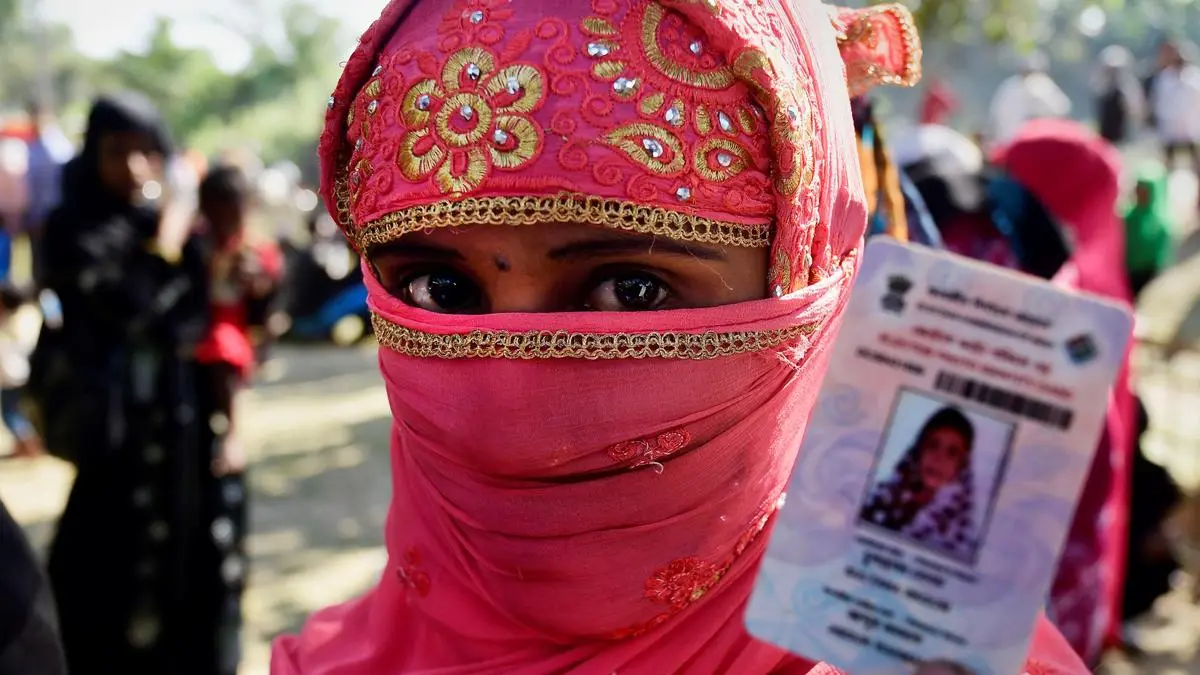
The polarisation project in Assam
As the 2026 Assembly election loomed, a complex interplay of factors led to an unsettling scenario for Muslim voters in Assam.
Background / Context
In the aftermath of controversial delimitation reforms, which divided electoral districts and reduced Muslim voter share in several constituencies, communal tensions began to simmer. The BJP's strategic use of AI-generated propaganda further exacerbated the situation by amplifying divisive messaging designed to polarise communities. This strategy aimed to leverage data-driven campaigns against minority groups, complicating traditional political dynamics.
Key Developments
- Delimitation reforms in Assam redrawed 12 constituencies, disproportionately impacting Muslim voters and reducing their share across all affected areas.
- Strategic bloc voting by the Muslim community in four marginal seats helped alter election outcomes.
- AI-generated propaganda was used to target and polarise specific voter segments, particularly Muslims, during the campaign period.
Analysis
This project exemplifies how modern electoral strategies can be weaponised for social engineering purposes. It reveals a disturbing trend where technology is leveraged not just as an aid in campaigning but also as a tool for destabilising political landscapes through targeted misinformation and manipulation of voter sentiment. This case exposes the vulnerabilities of both traditional democratic processes and contemporary digital campaigns, highlighting the necessity for robust data privacy and algorithmic accountability measures to prevent such manipulations.
What This Means
For the Muslim community in Assam, this election saw a significant electoral setback due to strategic voting as well as the BJP's targeted propaganda. For national observers, it underscores broader issues surrounding political manipulation and technological misuse in electoral contexts. The outcome challenges existing narratives on Indian democracy’s resilience and prompts calls for more transparent electoral systems and enhanced safeguards against digital disinformation.
Conclusion
As we look towards future elections in Assam and beyond, the need to counteract such polarisation projects becomes clearer than ever. It underscores the imperative of a technologically savvy yet socially aware electorate alongside robust regulatory frameworks to protect democratic values from erosion by nefarious tactics.