
Mountain Dew Is Charging 5 Cents for a Can — Here's the Strategy Behind the Stunt
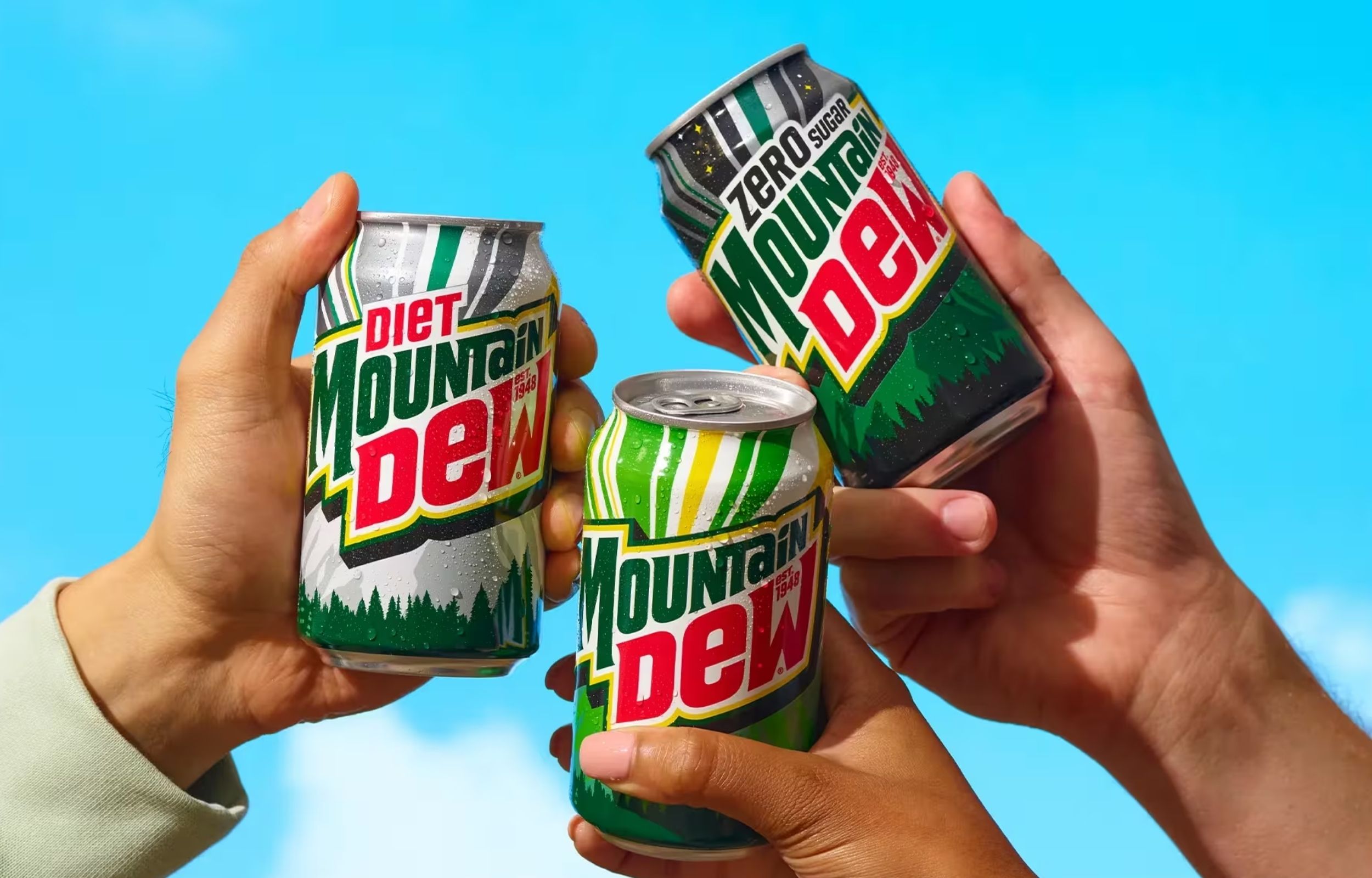
Mountain Dew Targets Nostalgia with 5-Cent Commemorative Can Drop
In a strategic effort to capture consumer attention through historical nostalgia, Mountain Dew has announced a limited-run sale of commemorative bundles priced at a mere nickel. This campaign serves as a direct homage to the brand's founding year of 1948, leveraging historical significance to boost brand engagement in an increasingly crowded market.
Background / Context
Mountain Dew is tapping into a broader cultural shift where iconic brands are revisiting their past to connect with modern consumers. By anchoring their marketing in the 1948 heritage of the soda, the company seeks to build emotional resonance with fans who value the authenticity and simplicity of the brand's mid-century roots.
This initiative arrives during a time when consumers are feeling the effects of AI-generated content and economic uncertainty. In response, established brands are turning toward "comfort marketing," offering experiences that remind users of a time when the world—and the consumer experience—felt more stable and tangible.
Key Developments
- Starting June 29, Mountain Dew will offer 1,948 exclusive commemorative bundles.
- Each bundle is priced at five cents, representing the year 1948 when the drink was created in Tennessee.
- The offer will be available exclusively through the TikTok Shop platform.
- Each commemorative set includes a limited-edition can and a 10-pack of mini sodas, with a strict limit of one per customer.
Analysis
The decision to use TikTok Shop as the primary sales channel demonstrates an adept blend of legacy branding and modern distribution. By placing a retro product on a hyper-modern platform, Mountain Dew captures two distinct demographics: the older audience nostalgic for the brand's history and the younger, digital-native shoppers who thrive on exclusive, "drop-style" internet culture.
Furthermore, the low-stakes nature of the five-cent price point acts as a "loss leader" for brand loyalty. While the financial cost of the product is negligible, the value generated through social media buzz, shares, and limited-time urgency far outweighs the loss on the physical goods sold during the promotion.
What This Means
This move by PepsiCo signals a shift toward experiential marketing where "buying attention" is prioritized over traditional ad spend. By aligning themselves with companies like McDonald's and LEGO, which have recently leaned into legacy products, Mountain Dew is positioning its brand as a pillar of pop-culture longevity.
As economic anxiety continues to permeate the retail landscape, brands that successfully marry high-quality nostalgia with limited-run physical products will likely dominate the conversation. The success of this stunt will serve as a bellwether for how legacy soda brands continue to pivot in the digital age.
Conclusion
Mountain Dew has successfully utilized the power of its own history to cut through the noise of the digital marketplace. This clever campaign proves that even an 80-year-old brand can stay relevant by engaging in the latest e-commerce trends.